Venus Fly Trap Care How To Grow A Venus Fly Trap
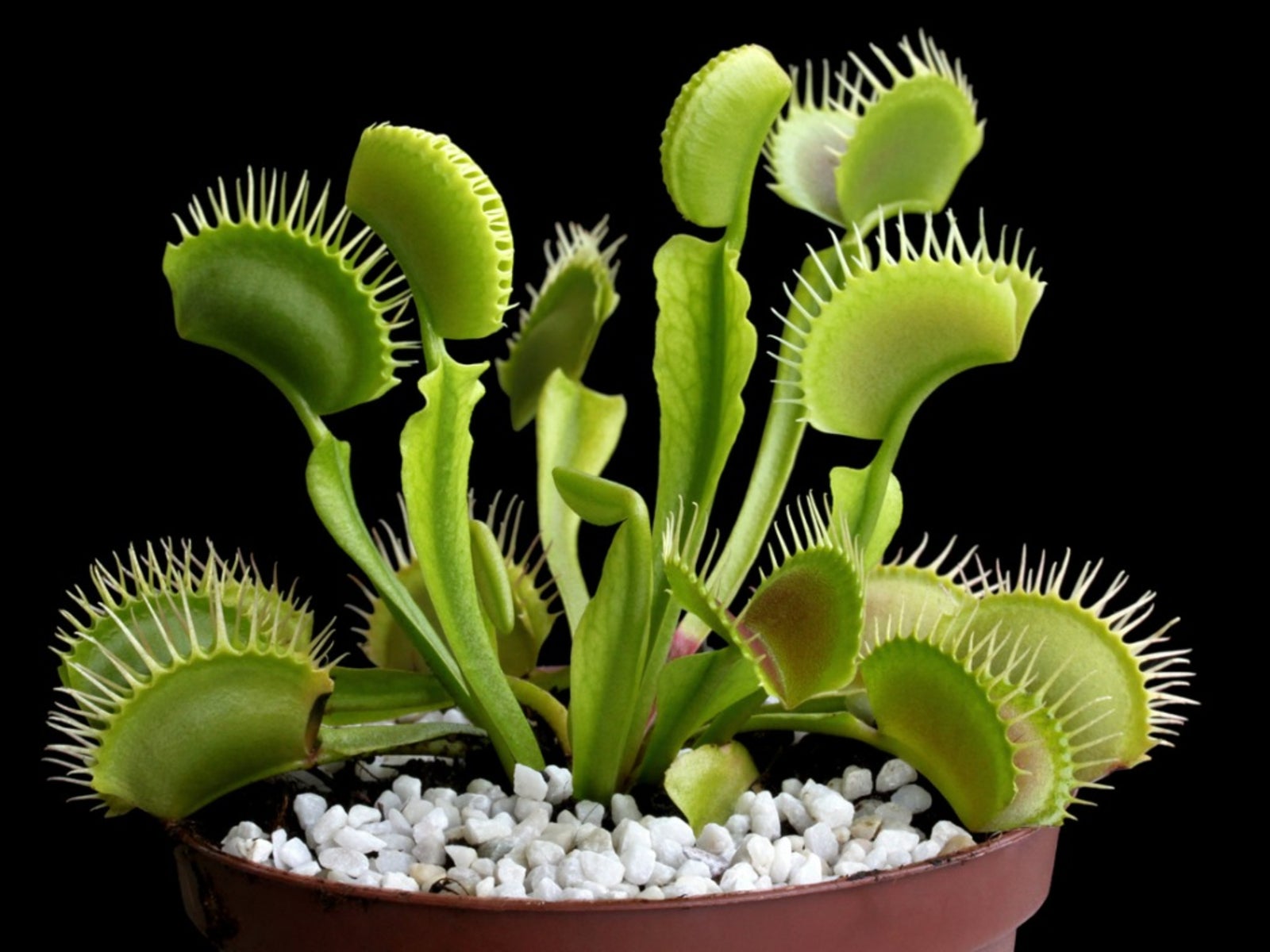
Use a shallow water tray, and keep it filled during the growing season. Avoid spring and tap water - the mineral content is too high, and it will damage and eventually kill your flytrap. Ditch the Dome. Chances are that your Venus flytrap came in a clear plastic container. This plastic dome is great to retain humidity (and moisture, in.
40pcs/set VENUS FLY TRAP Dionaea Muscipula CARNIVOROUS Flower Seeds rarely seen eBay

The Low Giant Venus Flytrap clone is a spectacular plant that produces very large traps (rivaling even the B52) with broad leaves that grow prostrate (near the ground) year round in dense rosettes. It often develops a very deep red color in the traps. Learn More. $23.95.
Venus Flytrap Facts For Kids Fun Facts About The Venus Fly Trap We Live A Lot
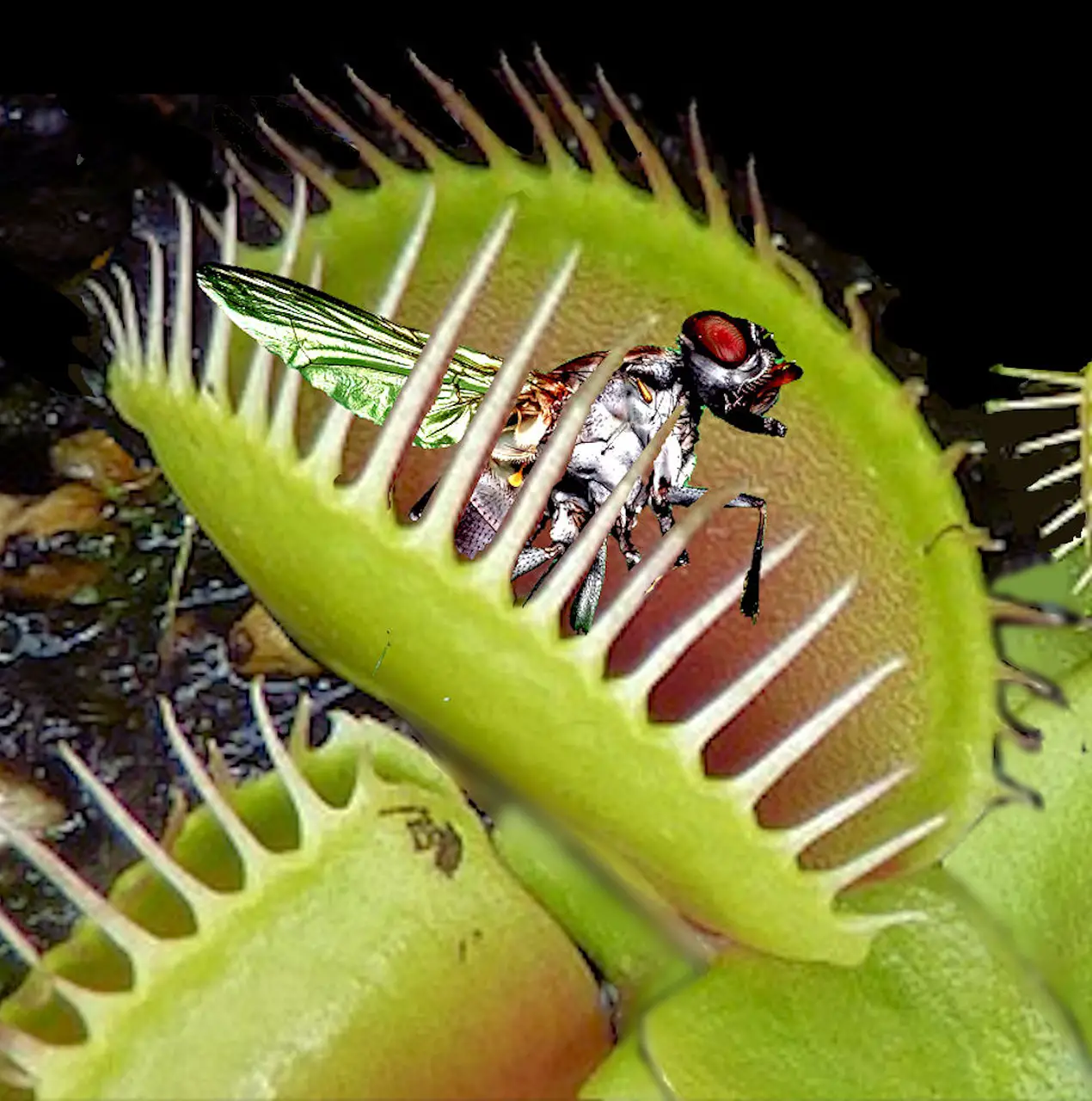
How to Grow Venus Flytraps. To care for a Venus flytrap, grow the plant in pots with peat moss and perlite at a ratio of 2:1. Place on a sunny windowsill for best growth. Water regularly so the soil is constantly moist. During winter, keep the plant in cool temperatures, away from direct sunlight.
Little Hiccups

When autumn arrives, Venus fly trap plants begin to shift into a winter dormancy period. They stop growing and most of the leaves turn black and die.. Grow a whole colony of Venus fly traps in a large, deep bowl. Simply move the bowl into a garage for the winter dormancy period and keep it moist. Venus fly trap care basics.
DIONAEA MUSCIPULA, Giant Venus Fly Trap, Carnivorous Plant10 Fresh Viable Seeds eBay

Venus fly traps thrive in wet, acidic, nutrient-poor soil. You can create that indoors with a 1:1 mixture of peat moss and perlite. A combination of soil mix with peat moss, or horticultural sand with an equal amount of peat moss also works well. Wood-based materials such as bark, sawdust, or wood fiber are good sustainable alternatives to peat.
Venus flytrap can count prey’s steps to dissolve them alive New Scientist
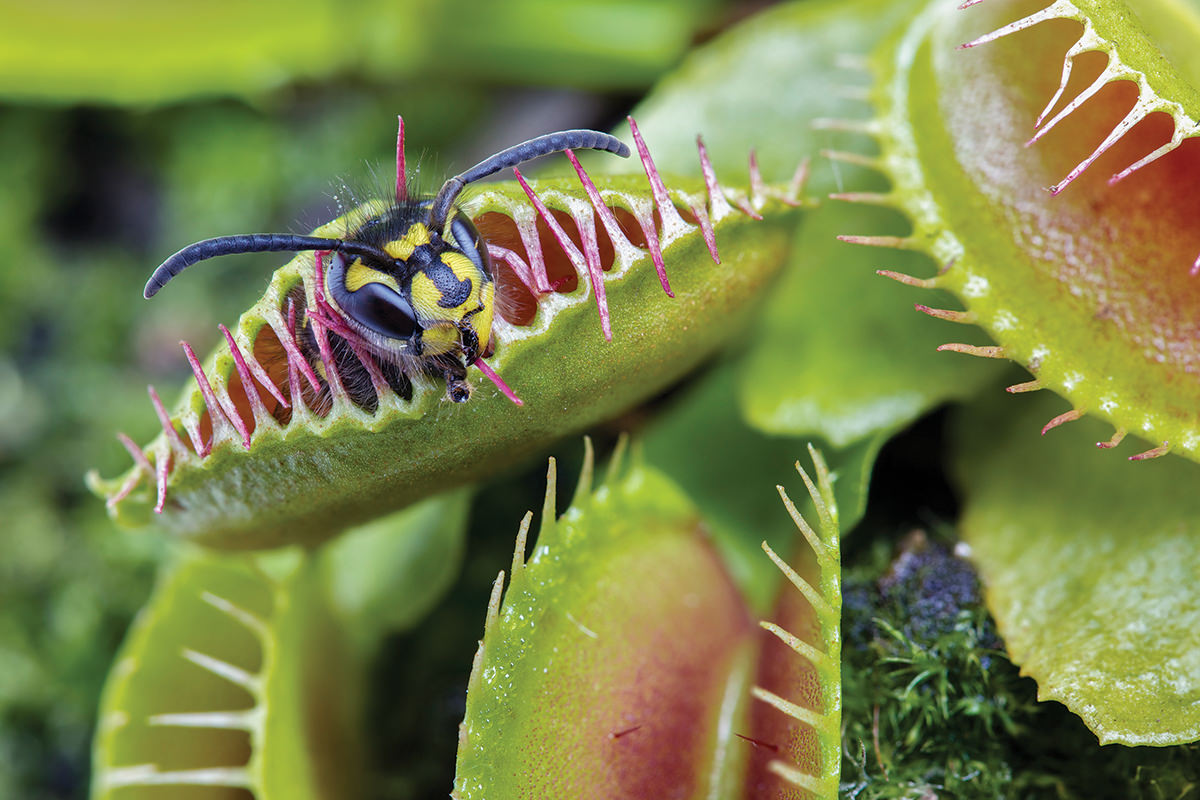
Venus fly traps do not need fertilising. Instead, feed fortnightly with live insects. Simply catch an insect such as a fly and then gently lower it into one of the traps, using tweezers. As soon as the fly comes into contact with the fine hairs in the trap, the trap will close. Do not force the trap shut - this can harm the plant.
OnlinePlantCenter Live Venus Fly Trap Plant in Pot Wayfair
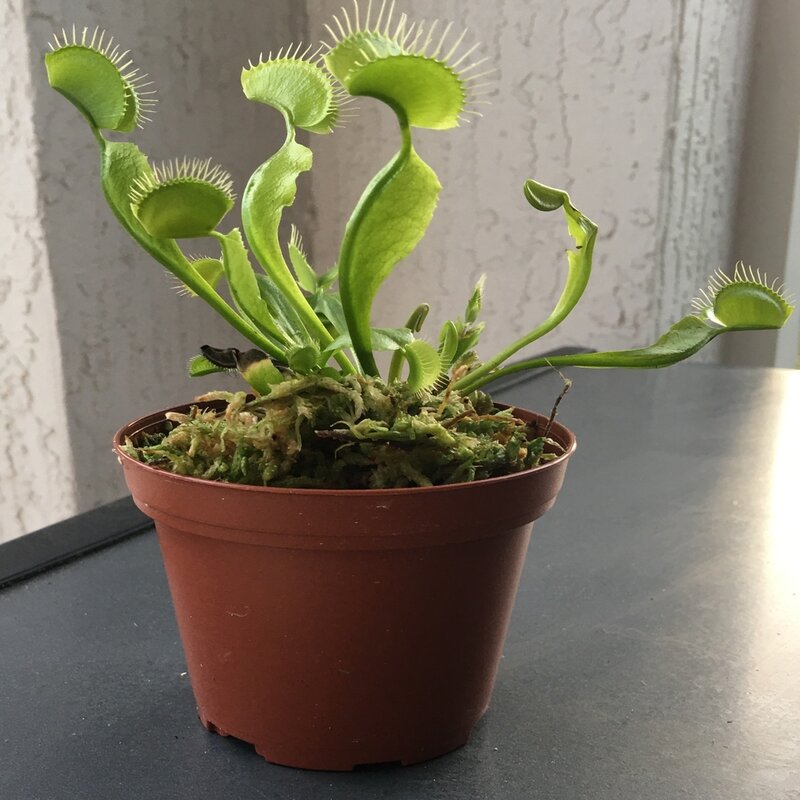
Venus Fly Trap plants are originated in the subtropical wetlands of the East Coast of the United States, such as South and North Carolina.. REAL VENUS FLY TRAP PLANT: Large carnivorous plants that feed on bugs with jaw-like petals aka 'bug traps'. This dionaea plant is a useful flying and non-flying insect trap, able to grow.
Should You Let the Venus Flytrap Flower
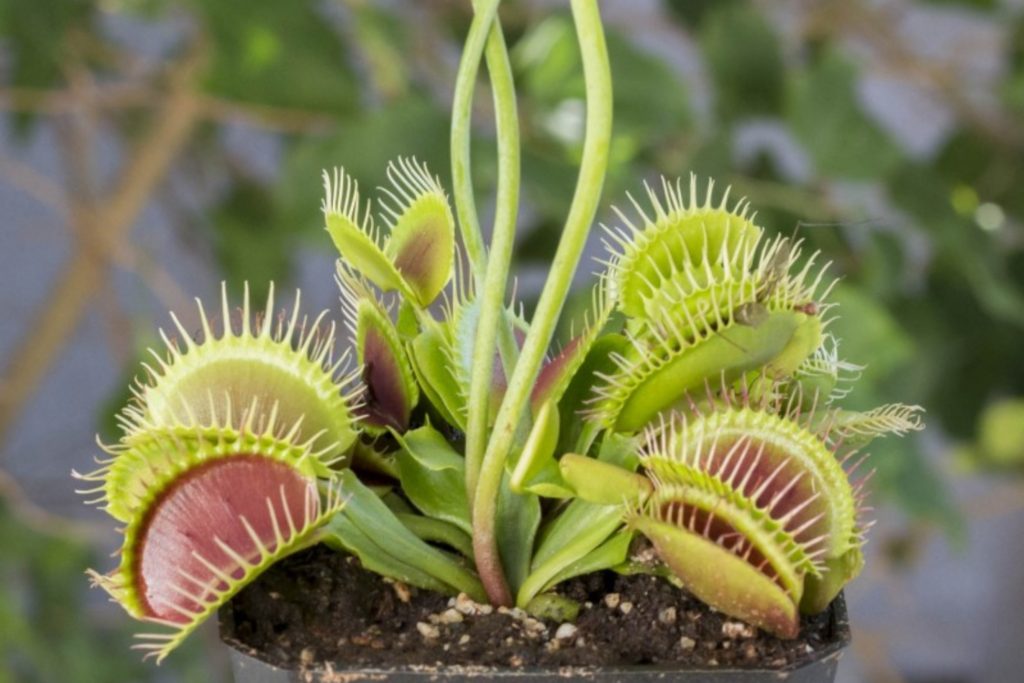
Venus Flytraps are one of the most popular carnivorous plants and widely sold across the world. To keep your Venus Flytrap happy, give it lots of light, sit it in a shallow water tray and only feed it live insects. If you grow your plant indoors, a sunny windowsill is best as these plants love light. Water is also important, particularly in.
Pin on Carnivorous plants

The 'B-52' variety is exceptionally large, with traps over 2 inches long. Venus flytraps are menacing, but the 'B-52' variety is downright monstrous. This is the largest of the flytraps, with traps growing over 2 inches long! The shape and color of this variety are pretty standard but no less fascinating. Dionaea muscipula 'Fused Tooth'
Venus Fly Trap Dionaea Muscipula Carnivorous Plant

Timeline to Grow Large Venus Fly Trap. If you would like to grow Venus Fly Traps to their adult size, keep in mind the life cycle timeline. It takes 3-4 years for a Venus Fly trap to reach a mature size: a diameter of 5-6 inches and traps that are approximately 1 inch in length. Many plant nurseries sell Venus Fly Traps that are already adults.
Large Venus Fly Trap Plant

Fill the containers to the brim with carnivorous plant potting mix, or mix your own. Water the potting medium well with distilled water and press it into the containers to remove any excess fluid. Gently turn the Venus flytrap out of the pot it's in and carefully shake the soil free from the roots.
Venus Fly Trap Dionaea Muscipula Carnivorous Indoor Plant Red Etsy
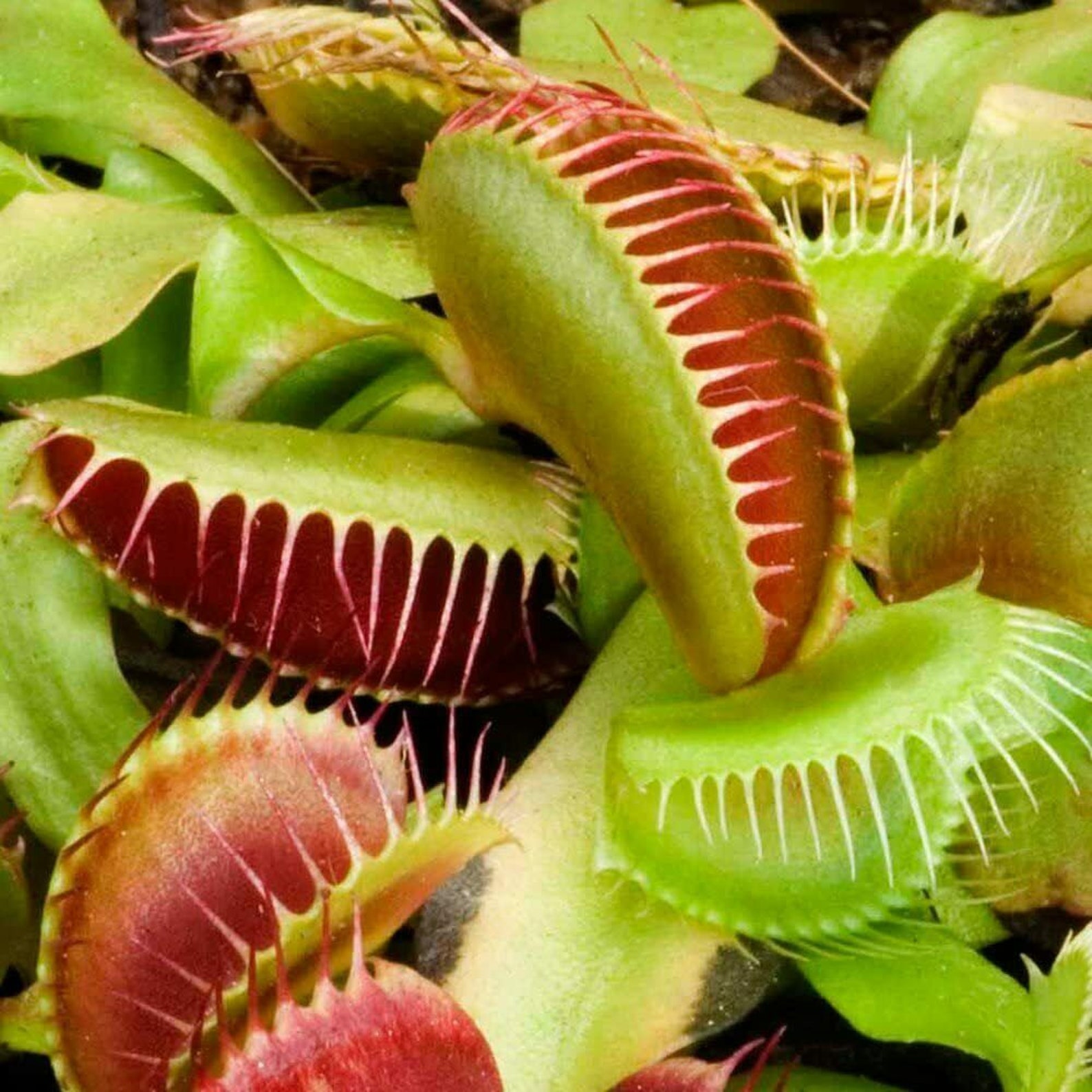
When you receive a Venus flytrap, pot it in a small, deep pot using a recommended potting medium, such as one-third perlite and two-thirds peat moss. The depth of the pot encourages root growth, as does tray watering, so choose a minimum of a 4-inch-deep pot that has a drainage hole and a tray. Deeper is even better.
venus fly trap St Johns Garden Centre

The typical form of the Venus flytrap reaches 10-12cm once mature. Bear in mind that's the size of the whole plant - the individual traps measure about 2-3cm. But that's just the tip of the iceberg! The world's biggest flytrap was grown by carnivorous plant legend Jeremiah Harris in Colorado, and measured an enormous 6.1 centimeters (2.4.
How To Grow Venus Fly Trap A Complete Guide For It
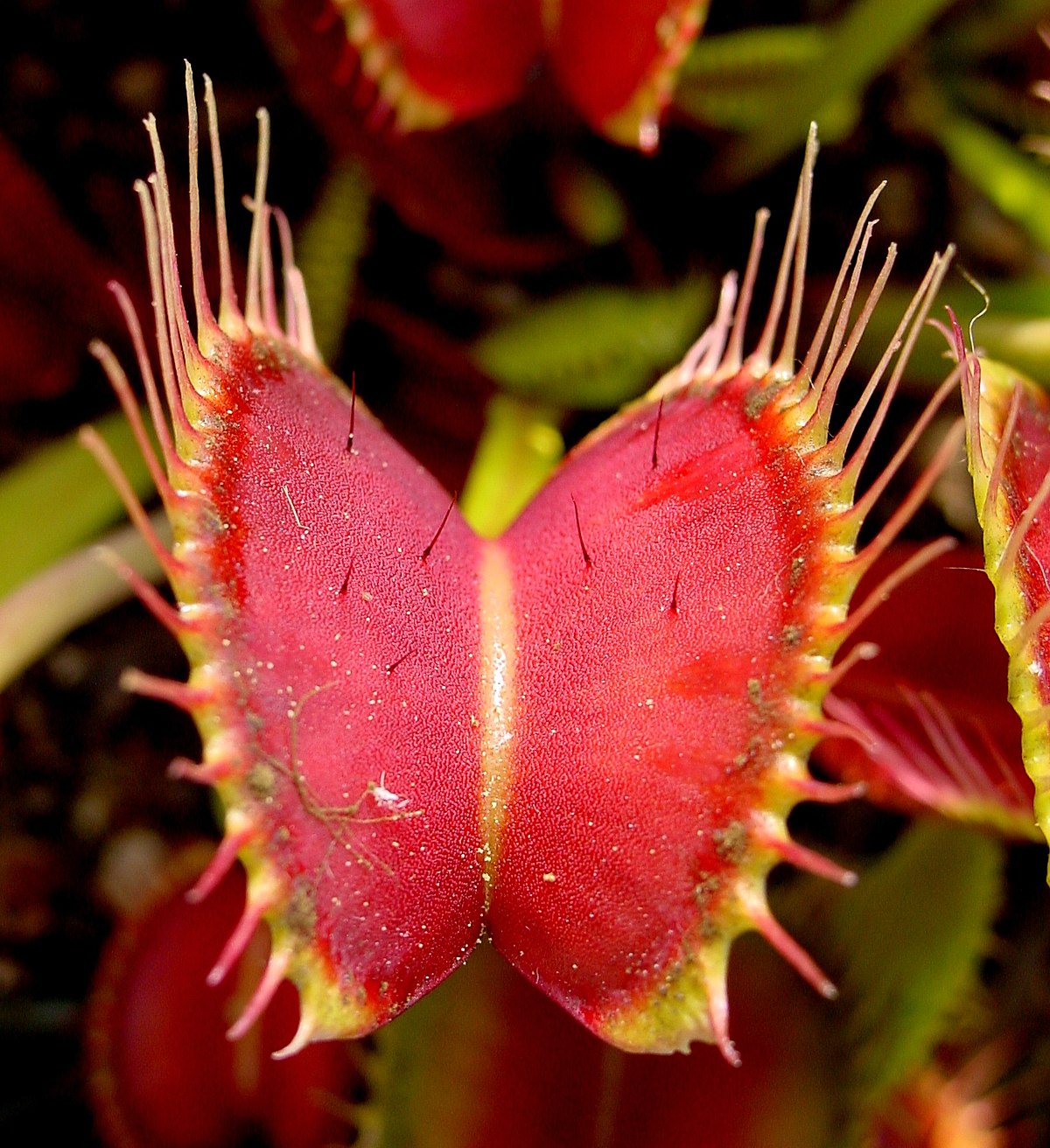
Venus Fly Traps crave sunlight. Position them where they can bask in direct sunlight for at least 4-5 hours a day. This will help them to develop their trap sizes to the max. 2. Use the Right Type of Water for Consistent Moisture. Use distilled, RO, or rainwater and keep the soil moist but not waterlogged.
MONSTER Venus Flytrap! Garden Plants, Indoor Plants, House Plants, Carnivorous Plants Terrarium

How to grow a Venus flytrap. The key to successfully caring for a Venus flytrap begins with creating the right conditions. The best place to plant them is in an environment with moist, acidic soil, exposed to plenty of sunlight. During winter, indoors is far more suitable - a DIY glass terrarium can provide the perfect environment. "Give them a sunny spot and keep soil damp by sitting the pot.
Can a Venus flytrap eat too many bugs? Quora
Fortunately, healthy plants will naturally split and produce new rosettes. These can be removed from the parent plant once large enough and repotted in their own container. Soil. Venus flytraps are specialized plants that need a specific type of soil. The key requirement is that the Venus fly trap soil must be in nutrient-poor soil. Another.
.